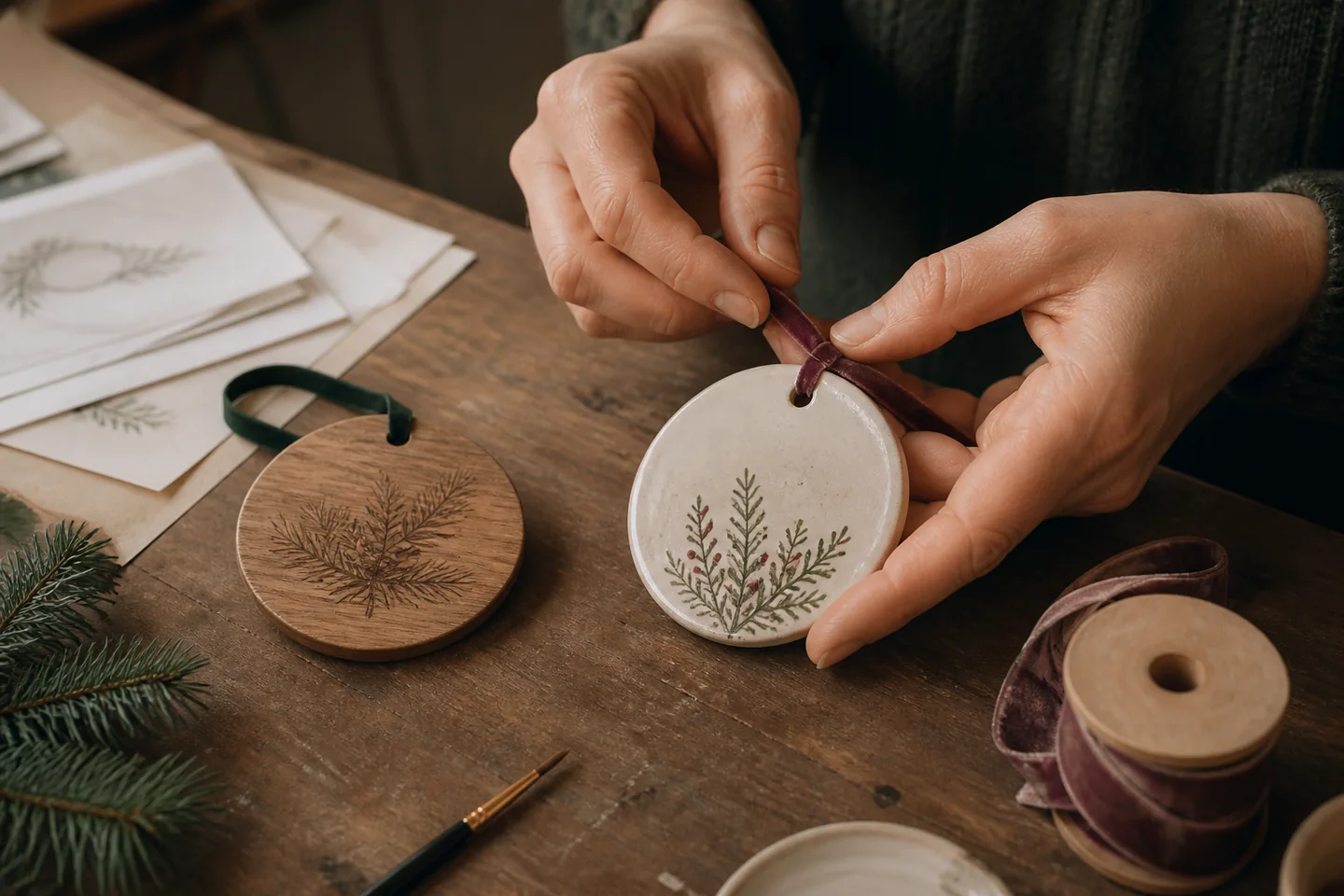
Two ornaments can share the same ceramic circle. One says “New Home 2026.” The other carries the uneven outline of the blue front door, “14 Willow Street,” and the year the keys arrived. The second belongs to a particular kitchen, moving day, and pair of hands opening the ornament box.
That is where uniqueness lives: in source material another household could not supply. A face from your photograph, a child’s handwriting, a map pin, a real nickname, the coat markings of one dog, or a sentence that has spent years at the family table.
Begin with the detail that would be corrected
The personal detail is often the one you would correct immediately: the spelling of a surname, the number on a jersey, the color of the dog’s ears, the school-year format, the lake, or the name the children use for a grandparent. Put that detail at the center of the design.
A name and year are a useful base when they identify a real moment. Add “First Christmas at Maple Street,” “Room 12 · 2026–27,” or “Lisbon · The Rainy Week” and the wording begins to carry a lived scene rather than a personalization form.
A closer look
Familiar forms with specific details
Look past the ornament shape and notice what each design allows the owner to make exact.
Good to knowSome links on this page are affiliate links: if you buy through them we may earn a small commission, at no extra cost to you. We only feature ornaments we would give ourselves.
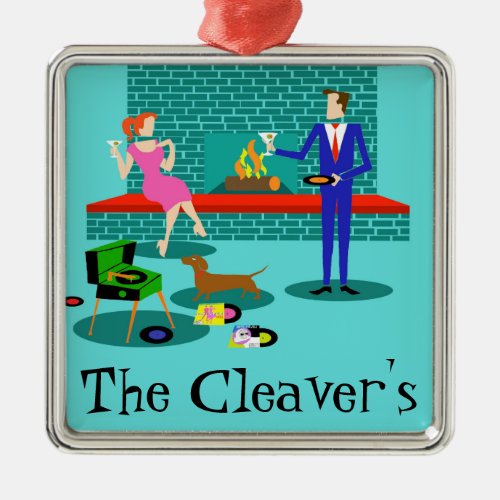
Retro Couple with Dog Christmas Ornament
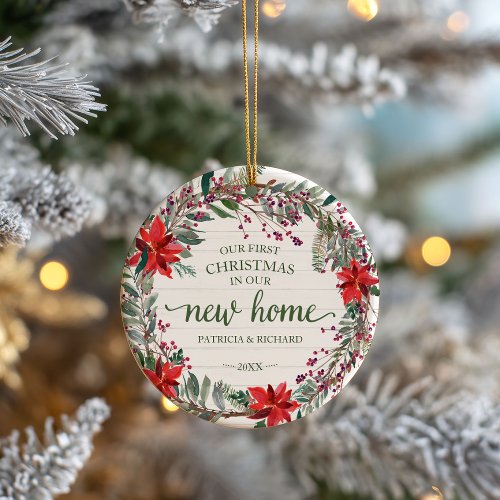
Our First Christmas In Our New Home Rustic Wreath Ceramic Ornament
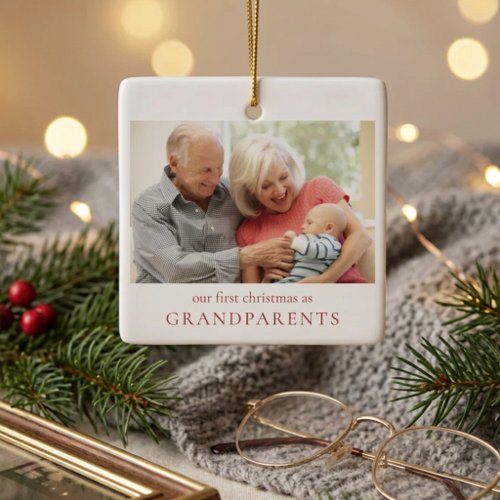
Our First Christmas as Grandparents Baby Photo Ceramic Ornament
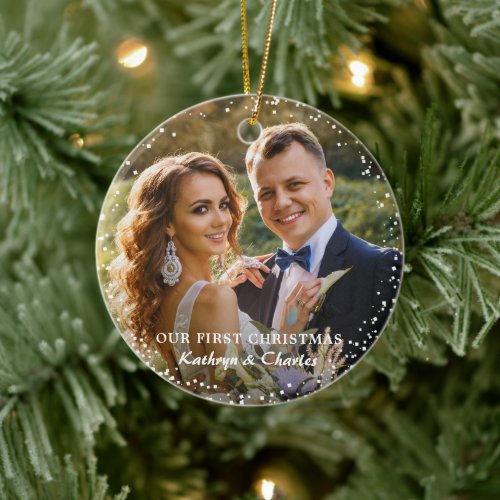
Modern Our First Christmas As Mr & Mrs Floral Ceramic Ornament
Use a photograph only this family owns
Look past the formal photographs too. The dog asleep with one ear folded, the baby watching tree lights, the first dinner on the floor of the new house, or the friends laughing just after the posed picture can carry more identity than a studio backdrop.
Use the original file, crop around the detail that matters, and inspect it at ornament size. A photograph becomes less personal when faces are too small to read or lettering covers the expression everyone recognizes.
Keep the hand that made the line
Handwriting carries age and personality without illustration. A child’s first name, a grandparent’s sign-off, a recipe heading, or a note from an old card can be scanned and engraved or printed. Keep the pressure, slant, uneven spacing, and spelling that make it recognizable.
Children’s drawings work the same way. Keep the crooked house, six-legged dog, or snowman with buttons to the floor rather than correcting it into polished clip art. Add the artist’s name, age, and year on the back and let the drawing remain theirs.
Choose a place at the right scale
A country outline says where a trip happened. A city skyline brings it closer. A street name, front door, cabin, trail, or verified coordinate can take the memory to one point. Use the place name that comes up when people remember the trip.
Privacy belongs inside the design decision. A street without the house number, a lake without exact coordinates, or a cropped ticket without its booking code can remain personal without publishing more than the owner wants.
Start from the source material
Four kinds of detail to follow
-
1
A real address or front door
Names, streets, moving years, maps, houses, and what fits on the ornament.
New-home ornaments -
2
A face and familiar markings
Portraits from a photograph, breed artwork, names, and first-Christmas years.
Dog ornaments -
3
A place people still retell
Routes, tickets, photographs, vehicles, maps, and dates from the trip.
Travel ornaments -
4
A family lineup from this year
Figures, names, surnames, photographs, pets, and the right amount of room.
Family ornaments
A private phrase needs less explanation, not more
An inside joke, family saying, pet nickname, or line from a shared year can make a simple design unmistakable. It only needs to work between the people who know it. Keep it short enough to read and leave off the generic sentiment underneath.
If the phrase belongs to a song, book, film, or another creator, use a short title, date, object, or shared reference instead of reproducing a long passage. Your own words and family language give the ornament more room to be itself.
Editing is part of personalization
A product page may offer six text fields, two photographs, icons, colors, and a date. You do not have to use all of them. Choose one main subject, one supporting line, and the year when it matters. Empty space helps the personal detail remain visible from the branch.
I would rather see one clear front door than the full address, family surname, moving date, coordinates, quotation, and three keys arranged around it. The information can be true and still be too much for a small object.
Do not guess uniqueness for someone else
A gift becomes less personal when the giver guesses a surname, title, relationship date, credential, pet breed, or private joke. Verify the detail or choose a design that asks for less. Two first names and a confirmed year are better than a beautifully rendered mistake.
Memorials, pregnancy announcements, changing families, and private addresses need particular care. Let the person whose tree it is decide what belongs on display. A quieter ornament with an accurate name can carry more warmth than one that reveals something the family was not ready to share.
Let the detail choose the material
Engraved wood suits handwriting, maps, silhouettes, and line drawings. Ceramic and acrylic carry photographs and color. Metal is light and gives panoramic images room. Glass favors short lettering and light-catching shapes. Pick the surface that preserves the source detail rather than the material that happens to be fashionable.
Curated ornaments
Browse designs with room to make them yours
Look at the personalization possibilities first: source image, wording, place, material, and preview.
Good to knowSome links on this page are affiliate links: if you buy through them we may earn a small commission, at no extra cost to you. We only feature ornaments we would give ourselves.
Retro Couple with Dog Christmas Ornament
Our First Christmas In Our New Home Rustic Wreath Ceramic Ornament
Our First Christmas as Grandparents Baby Photo Ceramic Ornament
Modern Our First Christmas As Mr & Mrs Floral Ceramic Ornament
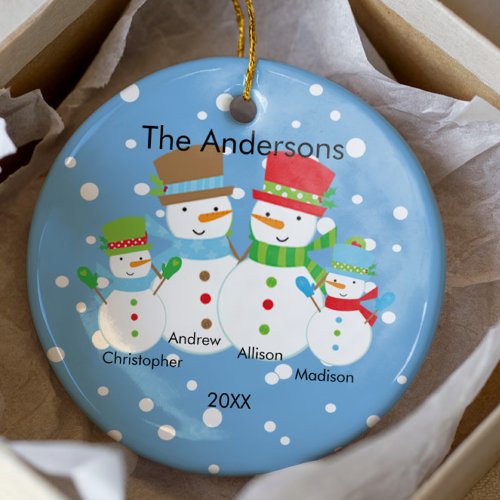
Cute Snowman Family of 4 Christmas Ornament
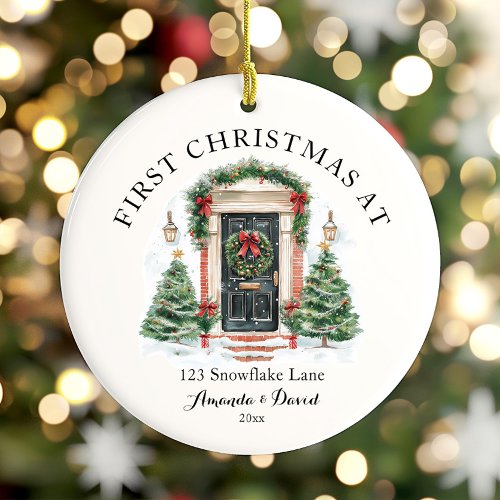
Personalized First Christmas At Our New Home Ceramic Ornament
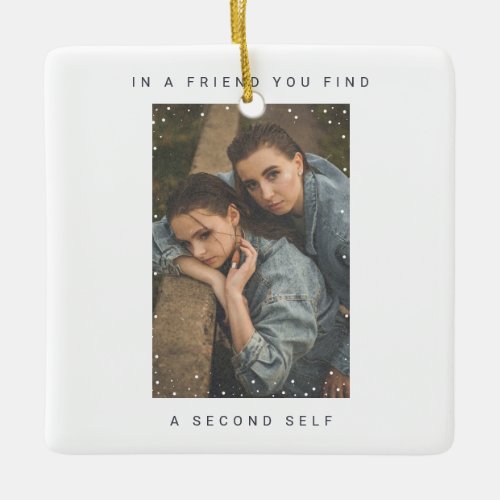
Minimalist Two Photo Snowfall Best Friends Photo Ceramic Ornament
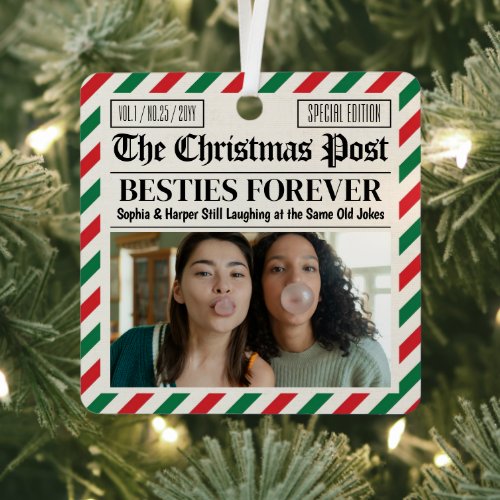
Custom Christmas Newspaper Friend Gift for Besties Metal Ornament
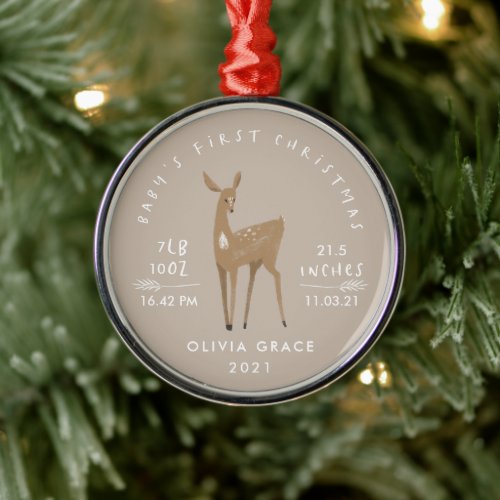
First Christmas baby details deer Metal Ornament
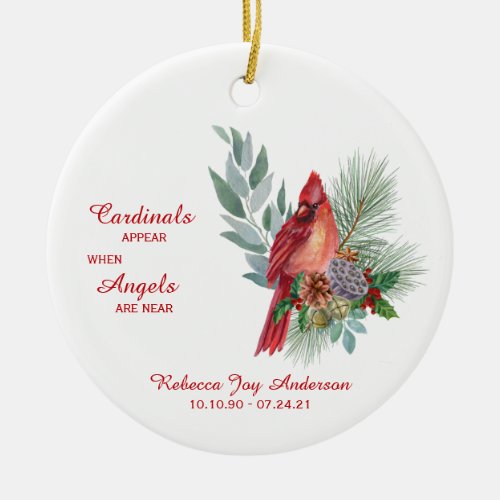
Cardinals Appear Angels Near Photo Memorial Ceram Ceramic Ornament

Paw Prints and Hearts Frame Custom Pet Photo Ornament
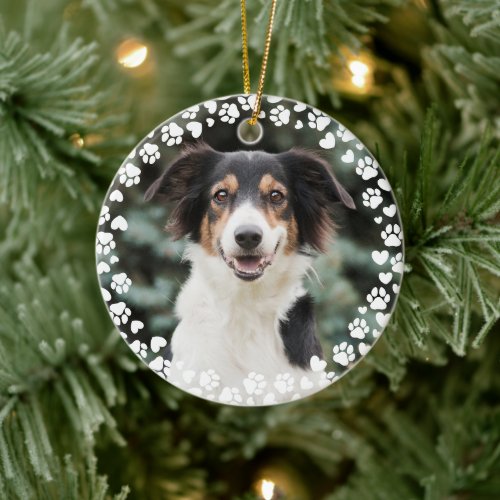
Paw Prints and Hearts Frame Custom Pet Photo Ceramic Ornament
More ideas in your inbox
New ornaments, gift ideas, and Christmas inspiration
Get our latest ornament finds, ideas for people on your gift list, and tips for personalizing your favorites.
Continue reading