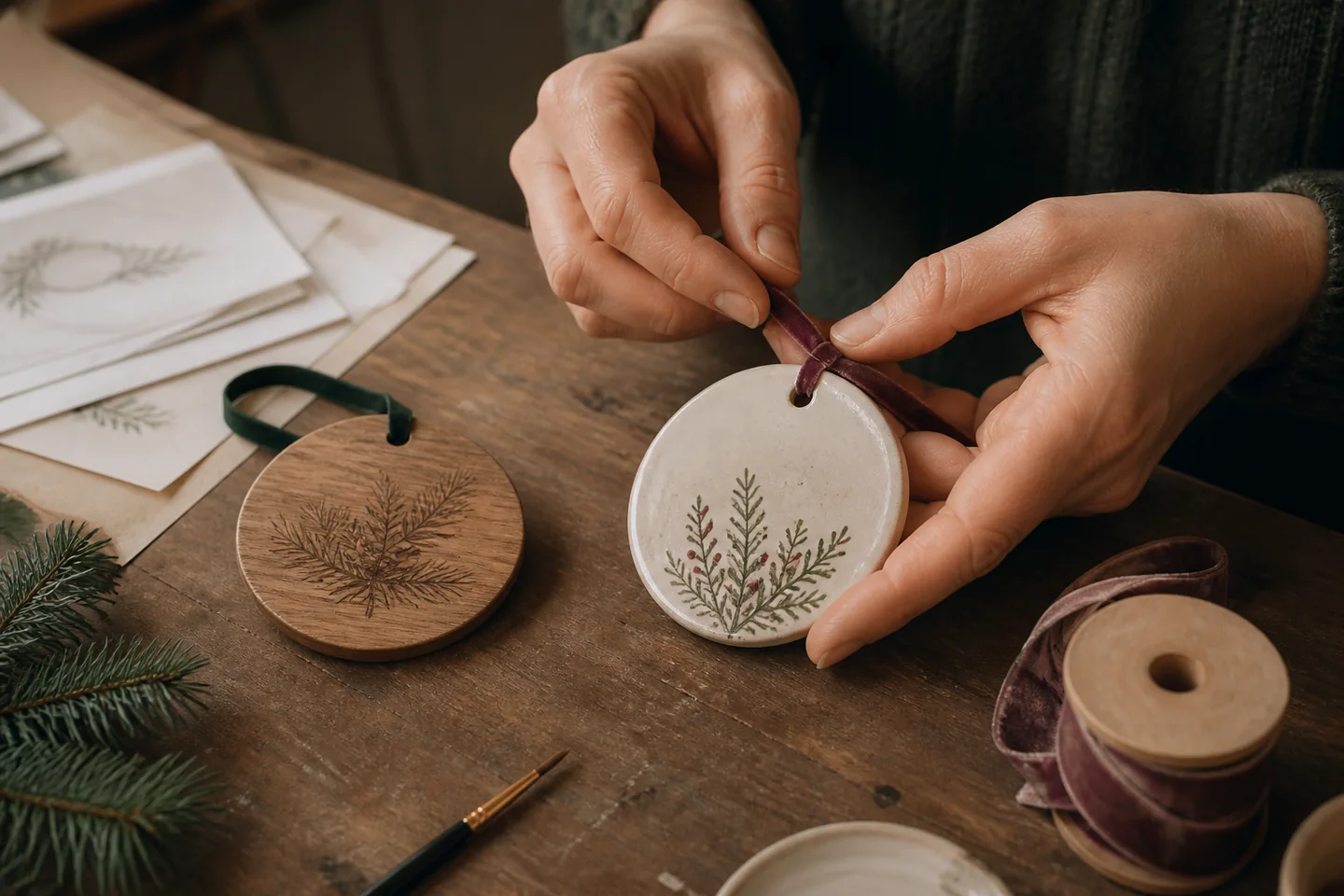
The ornament box tells time out of order. A new-home key touches a child’s painted cardboard star. The dog is a puppy on one branch and gray around the muzzle on another. A plain wooden circle from a quiet year hangs between the wedding and graduation pieces.
The one-ornament-a-year tradition gives that collection a gentle rhythm: choose one piece from the year and date it. “One” can be a rule or simply a useful starting point. A family with two stories worth keeping is allowed two ornaments. The tradition serves the tree, not the other way around.
Start with this year, wherever you are
Look back over the year and notice the thing people mention without prompting. It may be a move, wedding, baby, graduation, trip, new pet, changed job, garden, team, or repaired old camper. It may also be the red bicycle a child rode everywhere or the Sunday walks that held an otherwise ordinary year together.
Choose the detail before choosing the ornament. A street name can lead to engraved wood. A dog’s face calls for a photograph. A trip may become a map or ticket. A child’s sentence may be best kept in their handwriting.
A closer look
Three very different kinds of year
A milestone, an ordinary favorite, and one person’s moment can all belong in the same tradition.
Good to knowSome links on this page are affiliate links: if you buy through them we may earn a small commission, at no extra cost to you. We only feature ornaments we would give ourselves.
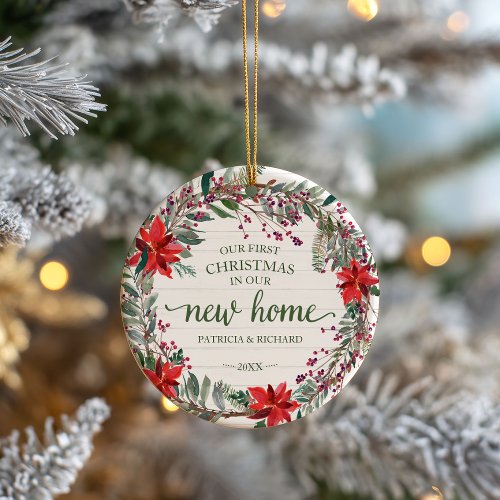
Our First Christmas In Our New Home Rustic Wreath Ceramic Ornament
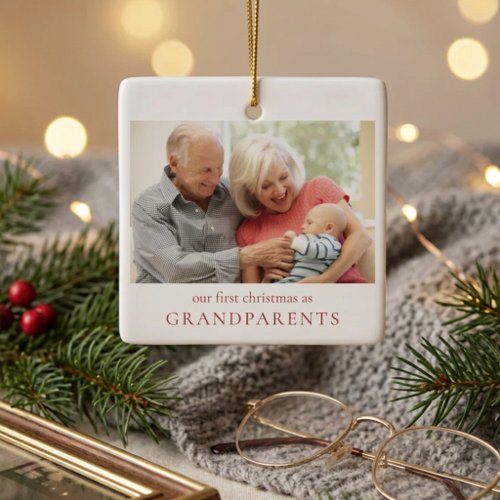
Our First Christmas as Grandparents Baby Photo Ceramic Ornament

Modern Our First Christmas As Mr & Mrs Floral Ceramic Ornament
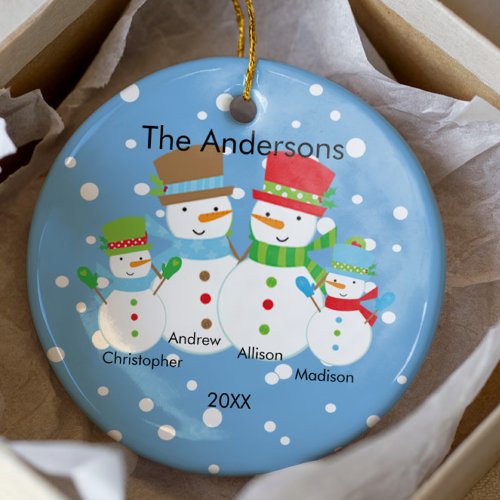
Cute Snowman Family of 4 Christmas Ornament
The year belongs somewhere on it
The date is what lets a mixed collection find its sequence later. Put the year on the front, back, edge, hanging tag, or box. It does not need to dominate the design, but it should travel with the ornament rather than live only in somebody’s memory.
Use a full date for a wedding, birth, proposal, or event when the day matters. Use the year alone for a season, place, habit, or broad family change. For a school or sports season that crosses years, copy the format the class or team uses.
Milestone or ordinary favorite
Front, back, edge, tag, or box
The detail memory may lose
Missing a year is allowed
Write down the part the ornament cannot show
The ornament may say “Yellowstone 2026.” A small card in the storage box can say that it rained at the campsite, the stove failed, and everybody ate cereal in the car. Those ordinary details are easy to lose, so write them down while the ornament is new.
Write one or two sentences, date the card, and keep it with the ornament. A note on the back of a wood piece works too. Do not turn the tradition into annual homework; capture only the detail somebody would be sorry to forget.
Let different people choose in different years
Parents can choose while children are small. Later, rotate the decision, vote, draw a name, or let the person whose year it was choose. The youngest child may pick the dog. A teenager may choose a concert ticket. One partner may remember the trip while the other remembers the kitchen table built afterward.
Disagreement does not mean the ritual failed. Choose two, combine the details when they naturally meet, or let one story wait for a birthday or personal ornament. The conversation about the year is already part of decorating.
A year can point in several directions
Begin with what changed
-
1
A new place became home
Street names, front doors, photographs, moving dates, and what fits.
New-home ornaments -
2
A pet joined the household
Portraits, breed artwork, names, adoption years, and first Christmases.
Dog ornaments -
3
The family changed size
Names, figures, photographs, pets, and the shape of this year’s household.
Family ornaments -
4
The year was made of places
Maps, routes, tickets, vehicles, photographs, and trips worth retelling.
Travel ornaments
Ordinary years give the collection its warmth
Not every year brings keys, rings, babies, diplomas, or dramatic journeys. The family may have watched the same show after dinner, grown tomatoes, walked one trail, adopted a houseplant that somehow survived, or spent December in a half-finished kitchen. Those details make an honest annual ornament.
An ordinary-year piece can be a small object, photograph, child’s drawing, pet portrait, family joke, or names and year in a material you love. It keeps the life between the milestone ornaments on the same branches.
Starting late and filling earlier years
Begin now. Then backfill only the earlier years that come to mind clearly. The first apartment, wedding, baby, important trip, or pet may already have a photograph and date ready to become an ornament. Leave the blank years alone until a real detail returns.
A collection made retrospectively does not need matching designs. The dates will connect it. If you want more visual unity, choose one ribbon color, wood species, shape, or lettering style and let the artwork vary.
Missing a year and beginning again
A move, illness, grief, travel, or plain exhaustion may interrupt the habit. Nothing needs to be repaired before the tradition continues. Add this year’s ornament. Backdate the missing one later if a story asks for it, or let the gap remain part of the box.
The same freedom applies when a family changes. Earlier names remain true to their years. New households can begin their own strands while keeping the pieces that still belong. There is no requirement that every ornament hang on every tree forever.
One family collection or one box per child
A shared family ornament records the household. A personal annual ornament follows one child, beginning with the first Christmas and moving through drawings, hobbies, teams, graduations, and places. Some families build both: one for the tree at home and one small piece each child may take later.
Label storage boxes clearly and keep fragile pieces wrapped separately. If an ornament is meant to leave with a child someday, write their name on its box or tag now. The handoff will be easier than reconstructing ownership twenty Decembers later.
Mix materials or keep one visual thread
Matching wood circles create a calm timeline. Mixed ceramic, metal, glass, fabric, photographs, and children’s crafts create a more unruly family box. Both can be beautiful. I like one repeating thread, such as a red ribbon or handwritten year, with freedom everywhere else.
Curated ornaments
Browse for this year’s ornament
Look for the detail the family chose, then add the date somewhere it will stay with the piece.
Good to knowSome links on this page are affiliate links: if you buy through them we may earn a small commission, at no extra cost to you. We only feature ornaments we would give ourselves.
Our First Christmas In Our New Home Rustic Wreath Ceramic Ornament
Our First Christmas as Grandparents Baby Photo Ceramic Ornament
Modern Our First Christmas As Mr & Mrs Floral Ceramic Ornament
Cute Snowman Family of 4 Christmas Ornament
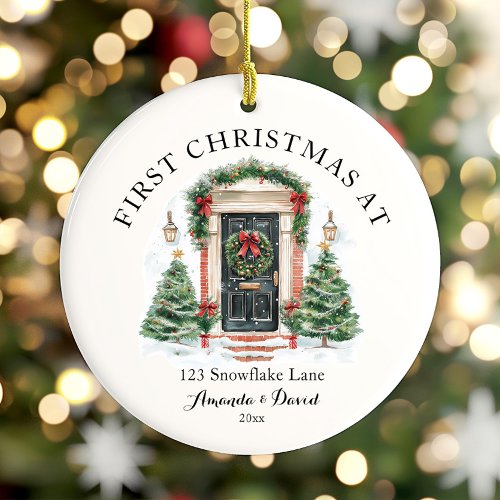
Personalized First Christmas At Our New Home Ceramic Ornament

Minimalist Two Photo Snowfall Best Friends Photo Ceramic Ornament

Custom Christmas Newspaper Friend Gift for Besties Metal Ornament
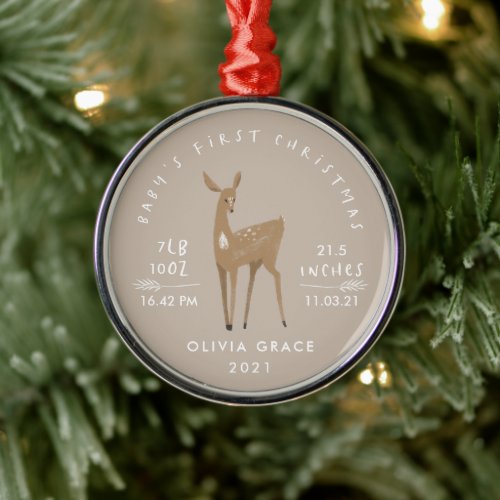
First Christmas baby details deer Metal Ornament
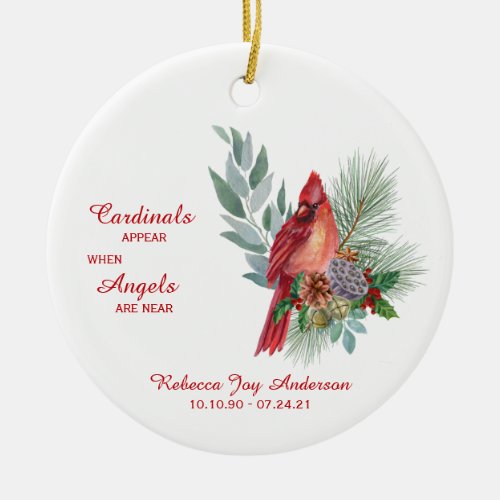
Cardinals Appear Angels Near Photo Memorial Ceram Ceramic Ornament
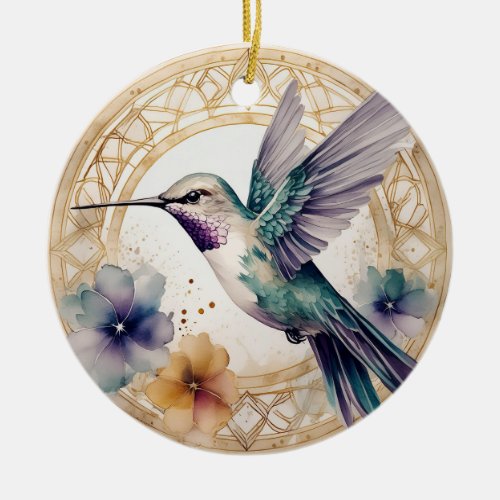
Hummingbird Personalized Christmas Ornament
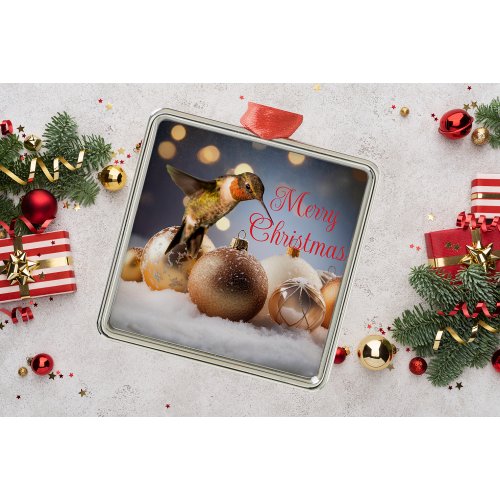
Hummingbird Christmas Card Metal Ornament
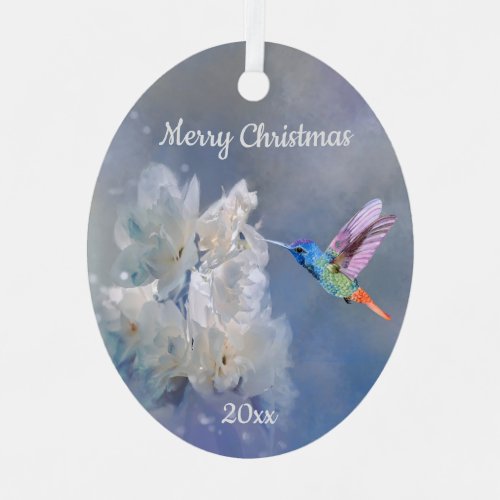
Hummingbird Bird White Garden Flower Christmas Me Metal Ornament
Good to know
Questions people ask
Does it have to be exactly one ornament each year?
No. One creates a useful rhythm, but two stories may both deserve a place. Keep the ritual flexible enough to fit the family.
What if nothing big happened this year?
Choose an ordinary favorite: a pet habit, child’s drawing, family joke, garden, walk, repaired object, or photograph from home.
Can we start the tradition years late?
Yes. Begin with this year, then add earlier milestones only when the place, date, or story comes back clearly.
What if we missed a year?
Continue now. Backdate the missing year later if you want to, or leave the gap.
Should every ornament match?
No. Dates can connect a mixed collection. For more unity, repeat one element such as material, ribbon, shape, or lettering.
More ideas in your inbox
New ornaments, gift ideas, and Christmas inspiration
Get our latest ornament finds, ideas for people on your gift list, and tips for personalizing your favorites.
Continue reading