By the last week before break, the classroom has paper snowflakes in the windows, unfinished pencils under the desks, and a stack of gifts arriving in bright bags. The ornament that belongs to this room begins with the teacher’s real classroom name and the year your child was there.
Add Room 12, the grade, a subject, the school, or a line in the child’s handwriting. Specificity does not have to mean more text. “Ms. Alvarez · 2026–27” can bring back one class more clearly than a long claim about being the world’s best teacher.
A closer look
A classroom name, a child’s line, or the school year
Three ways to make the gift belong to one teacher and one class.
Good to knowSome links on this page are affiliate links: if you buy through them we may earn a small commission, at no extra cost to you. We only feature ornaments we would give ourselves.
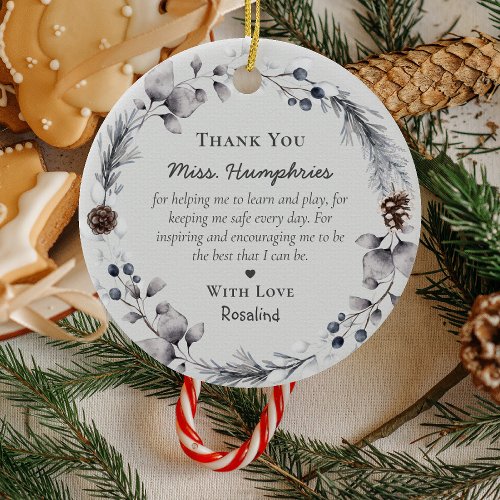
Cute Teacher Appreciation Gift Christmas Wreath Ceramic Ornament
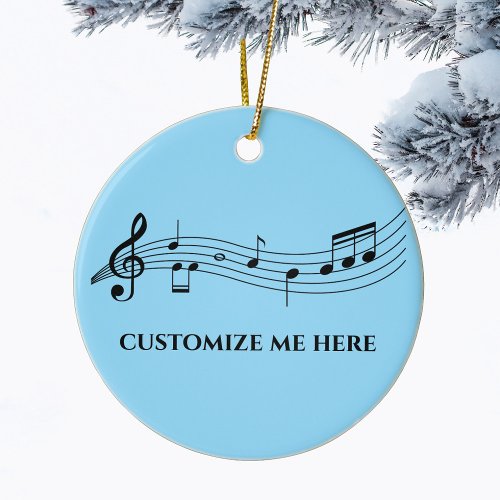
Musical Notes Band Choir Teacher Custom Christmas Ceramic Ornament
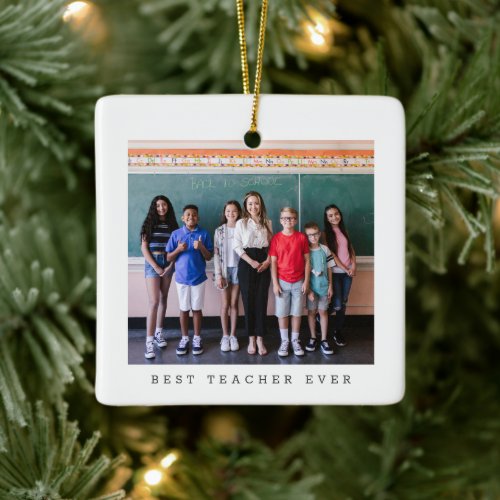
Best Teacher Ever Photo Personalized Christmas Ceramic Ornament
Use the name students actually say
Copy the name from the classroom door, school message, or teacher’s signature. Include the title when students use it. Leave it off when the class uses a first name. Check accents, hyphens, and surnames with more than one word; children can know a teacher for a full year without ever seeing the name written correctly.
Do not guess a title or marital status. “Teacher Alex,” “Mx. Chen,” “Ms. Rivera,” and “Mr. Bell” should follow the person, not the template. When in doubt, ask the school office or copy the email sign-off.
Calendar year or school year
Use “2026–27” when the ornament represents the class that began in one year and ends in the next. Use “Christmas 2026” when it is simply a holiday thank-you. A graduating class may prefer “Class of 2027,” while a preschool room or activity group may use only the current year.
Room numbers and grade labels can change, so include them when this particular class matters. “Room 12 · 2026–27” will later distinguish the year from the teacher’s other classes and the child’s other ornaments.
A child’s handwriting brings the classroom home
Ask the child to write the teacher’s name or one short thank-you on plain white paper with a dark pen. Scan it or photograph it straight on in daylight. The uneven letters, reversed character, or carefully drawn heart are the part worth reproducing, so resist tidying them into a font.
Add the child’s first name and school year on the back. A small drawing of the classroom, a favorite book, a beaker, paintbrush, music note, or globe can make the design specific to what happened in the room.
A closer look
From the child, not the gift aisle
Handwriting, drawings, books, and subject details can carry the student’s part of the story.
Good to knowSome links on this page are affiliate links: if you buy through them we may earn a small commission, at no extra cost to you. We only feature ornaments we would give ourselves.
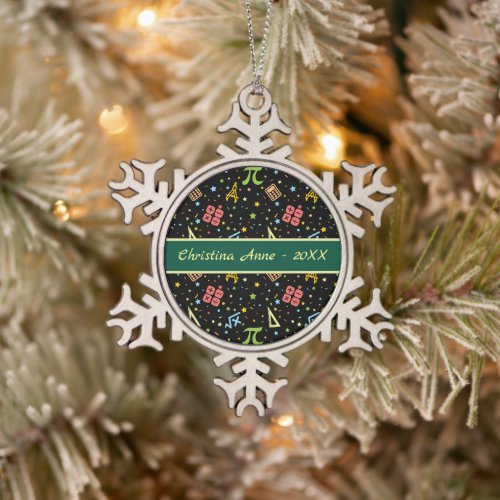
Math Teacher - Mathematics Symbols Pattern Snowfla Snowflake Pewter Christmas Ornament
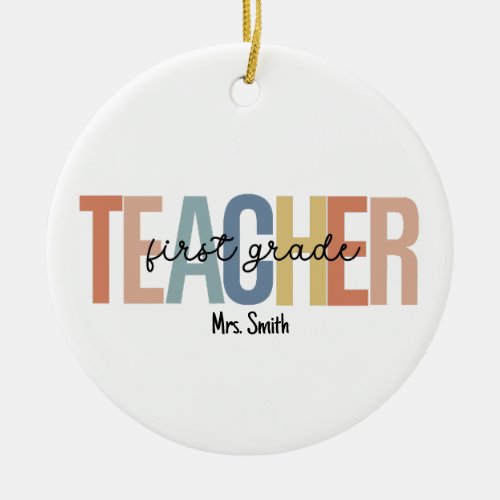
Personalized 1st Grade Teacher Christmas Ceramic Ornament
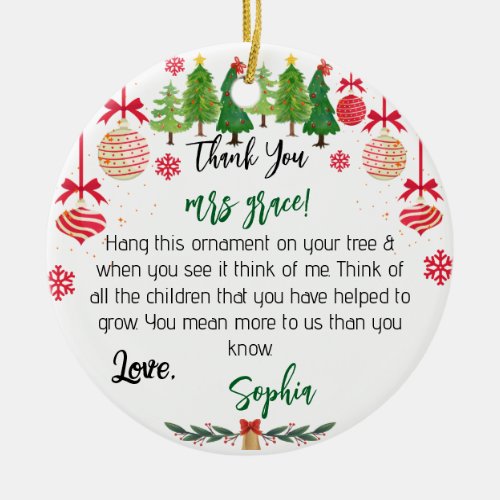
Personalized Teacher Ornament, Custom Christmas Ce Ceramic Ornament
The detail that belongs to this teacher
An apple and ruler identify teaching. The classroom tortoise, stack of mystery novels, garden bed, school play, or phrase written on the board identifies the person. Ask the child what they remember first about the room, then use that answer as the design brief instead of the job title.
Subject ornaments can use a chemistry flask, sheet music, paint palette, map, equation, book spine, or sports whistle. Keep the teacher’s name largest and the subject detail secondary, unless the ornament is for a department or team rather than one person.
One child, a whole class, or the staff
A gift from one child can put that child’s name or handwriting on the back. A class gift can use the class name and school year on the ornament, then carry every student signature on a card. Twenty small names around a three-inch edge are difficult to read and easy to misspell.
For a teaching team, department, school, or PTA order, use one design with each recipient’s name changed. A proof should settle the shared layout before the names are merged. Confirm staff lists close to production so new hires and departures are handled correctly.
One gift or the whole staff
Choose the ordering path that fits
-
1
A single teacher gift
Name, classroom detail, school year, and the child’s handwriting.
Stay with this guide -
2
Twenty-five or more pieces
One approved design, a name list, scheduled production, and a single delivery.
-
3
The graduation at the other end
Class years, school colors, degrees, and photographs for the student.
Graduation ornaments
Giving without creating another task
The teacher should not need to send a photograph, choose a title, or correct a school year during the last week before break. Confirm the details before ordering and keep the gift ready to open. Check any school policy that applies to staff gifts, especially when a class is collecting money or giving something of higher value.
A short card matters. Let the child name one specific thing the teacher did or one part of the year they will remember. The ornament carries the name and class; the card carries the thank-you.
Wood for handwriting, ceramic for color
Engraved wood suits handwriting, names, books, and simple classroom lines. Ceramic carries colorful student art, school colors, and photographs. Metal is light for sending home in a bag and works well for staff sets. Check the finished size and packaging, particularly when a child is carrying the gift to school.
Curated ornaments
Browse personalized teacher ornaments
Compare classroom, handwriting, subject, school-year, class-gift, and names-only designs.
Good to knowSome links on this page are affiliate links: if you buy through them we may earn a small commission, at no extra cost to you. We only feature ornaments we would give ourselves.
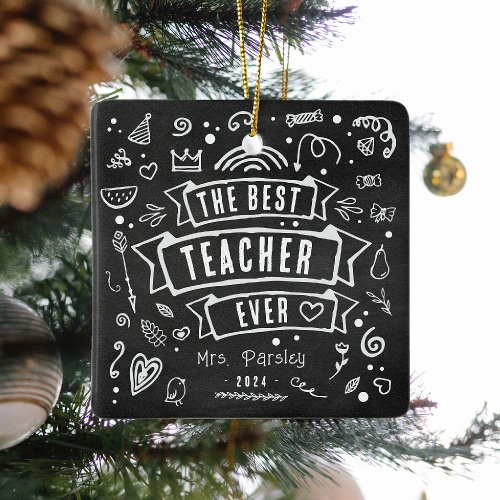
Best Teacher Ever Fun Chalk Doodle Christmas Ceramic Ornament
Cute Teacher Appreciation Gift Christmas Wreath Ceramic Ornament
Musical Notes Band Choir Teacher Custom Christmas Ceramic Ornament
Best Teacher Ever Photo Personalized Christmas Ceramic Ornament
Math Teacher - Mathematics Symbols Pattern Snowfla Snowflake Pewter Christmas Ornament
Personalized 1st Grade Teacher Christmas Ceramic Ornament
Personalized Teacher Ornament, Custom Christmas Ce Ceramic Ornament
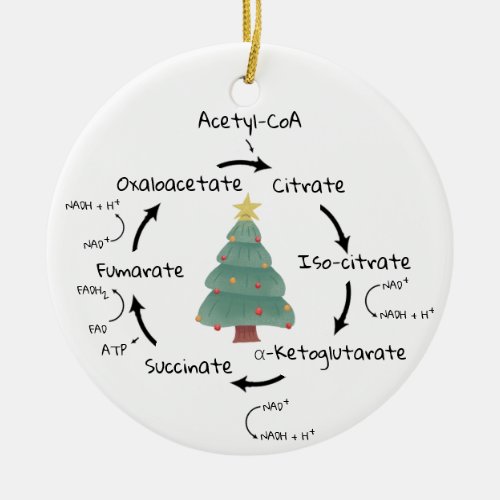
Science Biology Kreb's Cycle Christmas Teacher Ceramic Ornament
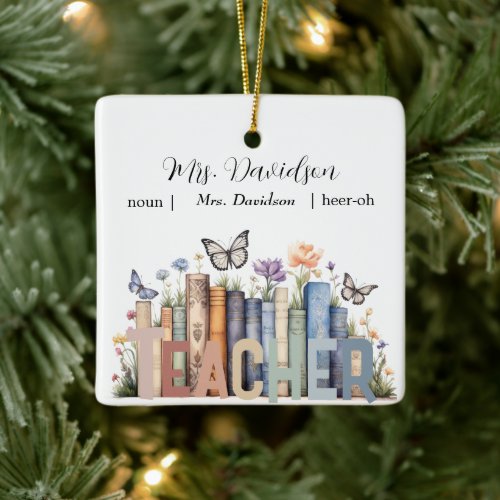
Cute Rainbow Bookshelf & Books Teacher Monogram Ceramic Ornament
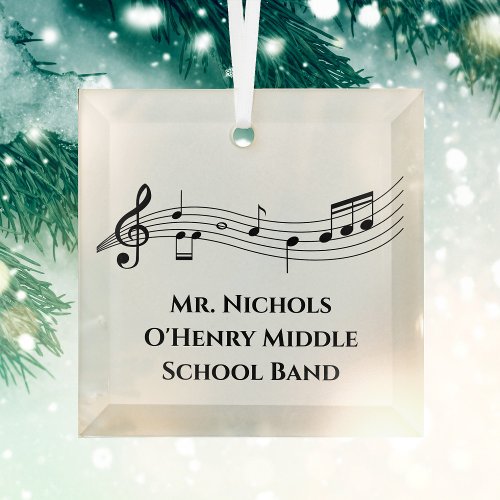
Personalized Music Teacher Musical Notes Christmas Glass Ornament
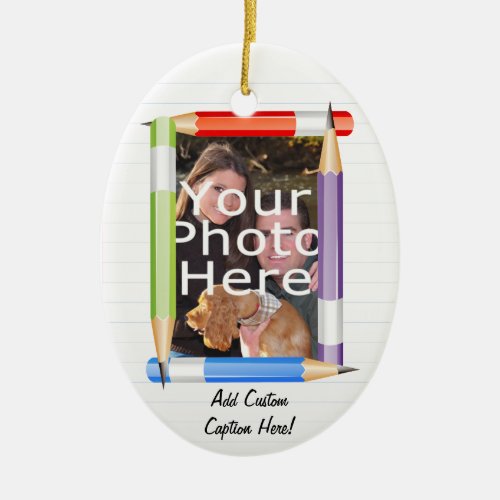
Custom Photo Teacher School Ceramic Ornament
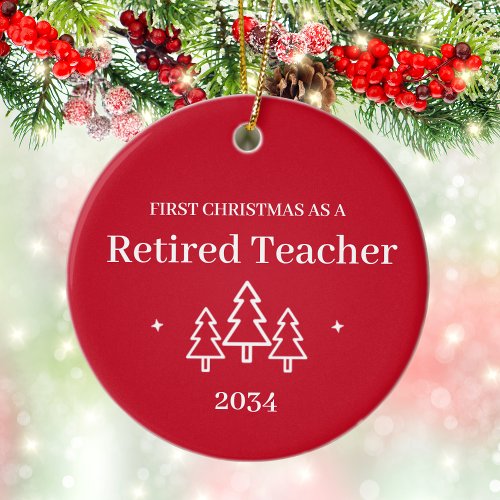
Retired Teacher Custom 1st Christmas Retirement Ceramic Ornament
Good to know
Questions people ask
What name should go on a teacher ornament?
Use the name and title students actually say. Copy it from the classroom door, school message, or teacher’s own signature.
Should I use the calendar year or school year?
Use “2026–27” for a particular class or “Christmas 2026” for a holiday thank-you. A graduating class may use its class year.
Can my child’s handwriting be engraved?
Yes. Supply a dark, clear line on white paper as a scan or straight-on photograph, and keep the message short.
Should every student’s name fit on a class ornament?
A class name and school year keep the ornament readable. Put individual student signatures on the card when the full list is too long.
Can a school order ornaments for the whole staff?
Yes. Orders of 25 or more can use one approved design with a different name on each piece and a scheduled delivery.
More ideas in your inbox
New ornaments, gift ideas, and Christmas inspiration
Get our latest ornament finds, ideas for people on your gift list, and tips for personalizing your favorites.